

Timbaland’s AI Pop Star TaTa isn’t Human: Is This the Future of Music or Just a Glitch in the Matrix?
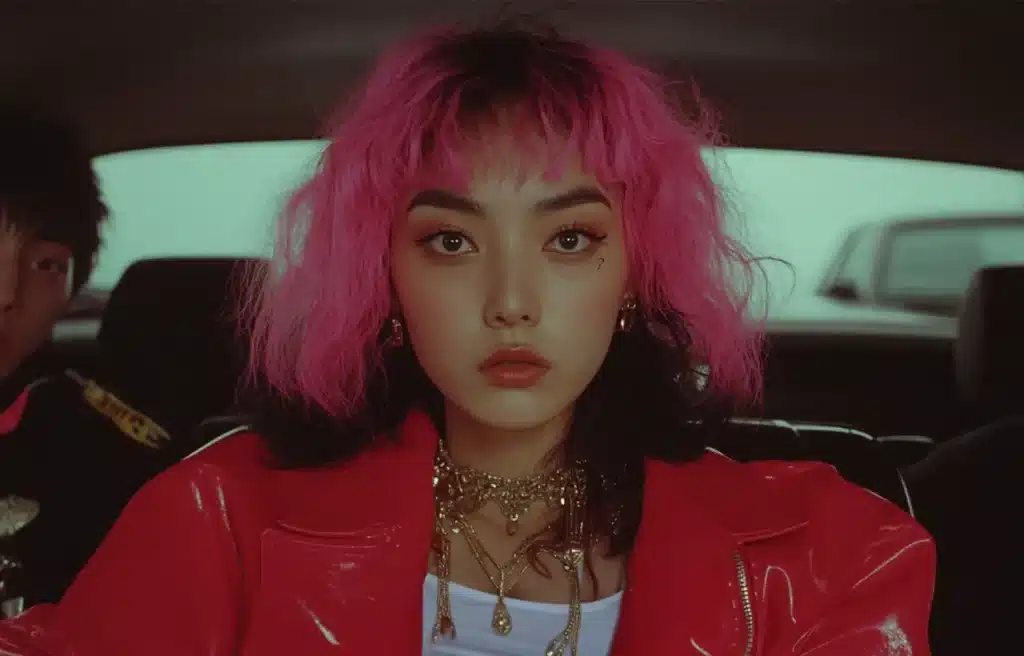
Alright, let’s talk about what Timbaland’s cooking up—and no, it’s not another Justin Timberlake comeback. The Grammy-winning super-producer just launched Stage Zero, an AI-powered entertainment company, and its first “artist” is TaTa: a pink-haired, photogenic, and completely artificial pop star. If you’re wondering whether this is the start of a new musical revolution or just a fever dream from spending too much time with ChatGPT, you’re not alone. Let’s break down what’s actually happening, why everyone’s talking (and yelling) about it, and what it means for the future of music.
Meet TaTa: The Not-So-Human Pop Sensation
TaTa isn’t just a virtual avatar or a CGI influencer. Stage Zero’s pitch is that she’s a “living, learning, autonomous music artist built with AI”—the first of what they’re calling a new generation of performers. Timbaland, along with creative partner Zayd Portillo and film producer Rocky Mudaliar, is betting big on what they call “A-pop” (artificial pop), a genre where the stars are made of code, not flesh and bone (1)(4)(5).
Here’s how the TaTa sausage gets made:
- Timbaland uploads his unfinished demo tracks to Suno, an AI music platform where he’s also a creative advisor.
- Suno’s AI generates new musical ideas and, crucially, a synthetic voice that Timbaland found so compelling he decided to build an entire artist around it.
- Human lyricists still get involved, adding words to the AI’s melodies, but the final product is a collaboration between human creativity and machine learning.
How Real Is TaTa, Really?
Stage Zero is going all in on making TaTa “as lifelike as possible.” She’ll have a social media presence, music videos generated by AI, and a personality designed to engage fans just like any flesh-and-blood pop star. The team claims she’s not just an avatar or a marketing gimmick, but the first icon of a new cultural evolution. (If that sounds a little “Black Mirror,” you’re not alone.)
Why Is Everyone Freaking Out?
Let’s just say the internet isn’t exactly rolling out the red carpet for TaTa. Fans and musicians are roasting Timbaland online, accusing him of “ruining music” and selling out human creativity to the robots. Comments range from “Congratulations! You are the first to openly admit to ruining music more than it already is” to “Timbaland is ageing like milk” (3). Ouch.
But it’s not just about hurt feelings. The music industry is in full panic mode over AI’s impact on copyright and artistry. Suno (the AI platform behind TaTa’s voice) is already being sued by the Recording Industry Association of America for allegedly using copyrighted songs to train its models. There’s real fear that AI could let companies pump out endless music without paying or crediting real artists (2).
Timbaland’s Take: “Get Used to It”
Timbaland and his crew are pretty unfazed by the backlash. They see AI music as inevitable, comparing it to the rise of influencers and YouTubers—people laughed at them too, until they became bigger than Hollywood stars. “AI isn’t going anywhere,” says Mudaliar. They’re betting that, just like with social media, the haters will eventually accept (or at least tolerate) the new normal.
So, Is This the End of Human Music?
Not quite—at least, not yet. Even TaTa’s songs still need human input for lyrics and production. But Stage Zero’s model is clear: the artists of tomorrow could be IP, code, and algorithms, not people. If this experiment works, expect a lot more virtual stars clogging up your Spotify playlists soon.
The Bottom Line: Genius Move or Musical Heresy?
Whether you see TaTa as the next big thing or a symptom of everything wrong with modern music, one thing’s for sure: Timbaland’s not afraid to shake things up. The only question is whether fans will ever dance to a song sung by a digital ghost—or if they’ll just keep hitting “skip.”
