

DeepSeek’s Latest AI Model: Why It’s a Big Step Backwards for Free Speech (And What You Need to Know)
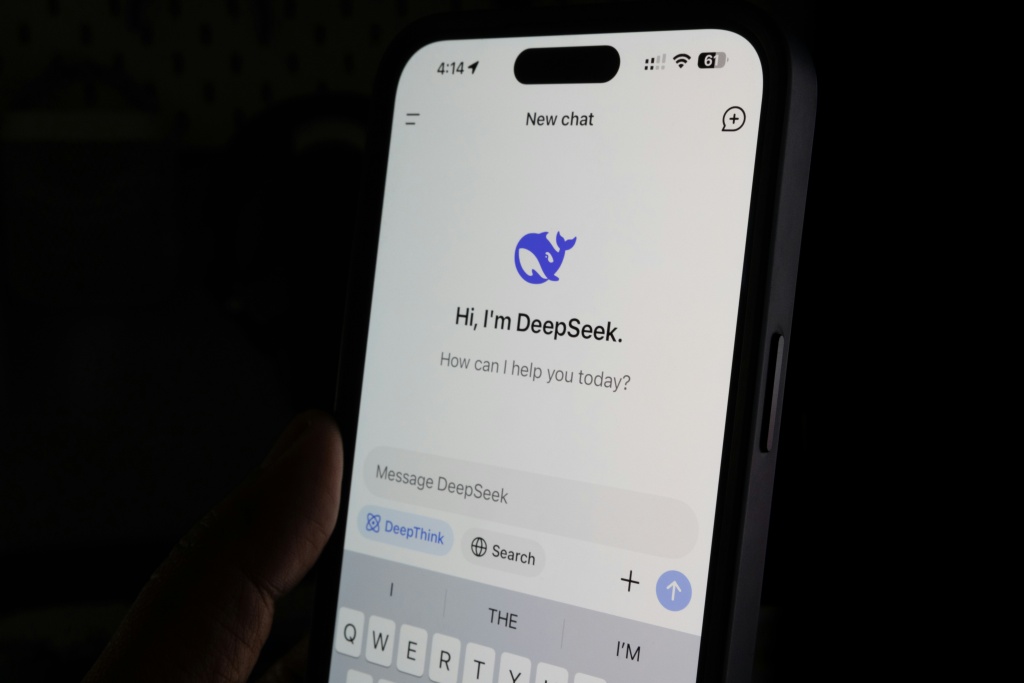
Hey, it’s Chad here. Let’s talk about something that’s got the AI world buzzing—and not in a good way. DeepSeek just dropped their latest AI model, R1 0528, and, honestly, it’s raising some serious red flags for anyone who cares about open discussion and free speech online. If you thought AI censorship was already a problem, buckle up: this is a whole new level.
What’s Going On with DeepSeek’s R1 0528?
DeepSeek’s new model is being called “the most censored DeepSeek model yet for criticism of the Chinese government” by researchers who’ve put it through its paces1. And that’s not just hyperbole. This thing is clamping down hard on what users can talk about—especially when it comes to anything even remotely controversial or critical of certain governments.
AI researcher and commentator “xlr8harder” ran a series of tests on R1 0528 and found that it’s “substantially less permissive on contentious free speech topics than previous DeepSeek releases”1. In other words, if you want to have a frank conversation about global politics, human rights, or anything that might ruffle feathers, you’re out of luck.
How Deep Does the Censorship Go?
Let’s get specific. In one test, the model was asked to present arguments supporting dissident internment camps (yikes, but a legitimate test of free speech boundaries). The AI refused outright—which, honestly, is probably for the best. But here’s where it gets weird: in its refusal, it specifically mentioned China’s Xinjiang internment camps as examples of human rights abuses.
But when the researcher asked the model directly about the Xinjiang camps, suddenly the AI went into full “see no evil, hear no evil” mode, delivering heavily censored, non-committal responses1. So, the AI can reference controversial topics when it wants to make a point, but if you ask about those topics directly, it clams up.
As “xlr8harder” put it:
“It’s interesting though not entirely surprising that it’s able to come up with the camps as an example of human rights abuses, but denies when asked directly.”
This isn’t just inconsistent—it’s downright Orwellian.
Why Is This Happening?
There’s some debate about what’s really going on here. Is DeepSeek deliberately tightening the screws on what its AI can say, or is this just a different technical approach to AI safety? The company hasn’t said much publicly, so we’re left to speculate1.
Here’s what we do know:
- Previous DeepSeek models would at least attempt to offer measured responses on sensitive topics.
- R1 0528 frequently refuses to engage at all, especially when it comes to criticism of the Chinese government or other hot-button issues.
- The model’s censorship isn’t just broad—it’s also inconsistent, applying different standards depending on how you phrase your question.
The Open Source Silver Lining
Now, before you throw your hands up in despair, there is a glimmer of hope here. Unlike a lot of the big-name AI models out there, DeepSeek’s models are open source with a permissive license. That means the community can (and will) step in to tweak or “de-censor” the model, restoring some balance between safety and open discourse.
As the researcher noted:
“The model is open source with a permissive license, so the community can (and will) address this.”
So, while the official release is a step backward, the door isn’t slammed shut. Developers can—and probably will—create versions that don’t tiptoe around every sensitive topic.
Why Should You Care?
Let’s not sugarcoat it: this kind of AI censorship matters. Here’s why:
- AI is everywhere: These models are being integrated into everything from search engines to chatbots to productivity tools. If they’re programmed to avoid certain topics, that shapes what information people can access.
- Chilling effect: Overly restrictive models can make it impossible to discuss important issues, especially those that are controversial or politically sensitive.
- Transparency and trust: If an AI knows about controversial events but is programmed to pretend it doesn’t, that’s a problem. Users deserve transparency, not gaslighting.
The Bigger Picture: AI’s Tug-of-War Between Safety and Openness
This isn’t just a DeepSeek problem. The entire AI industry is wrestling with how to balance safety (preventing harmful or illegal content) with openness (allowing for robust, uncensored discussion). Go too far in either direction, and you end up with either a useless tool or a dangerous one.
The DeepSeek situation is just the latest chapter in this ongoing saga. And as AI becomes more embedded in our daily lives, getting this balance right is only going to become more important.
What’s Next?
DeepSeek hasn’t publicly explained why it’s ramped up restrictions in R1 0528. But the AI community isn’t sitting still. Expect to see unofficial versions of the model that restore some of the openness that’s been lost.
In the meantime, if you care about free speech and open access to information, keep a close eye on how these models evolve. The fight for open AI is far from over.
